
Products
Manufacturers
Published
9 April 2026
Written by Yunus Unal Mechatronics Engineer and Content Specialist
Yunus is a mechatronics engineer with a background in 5G mobile communications and intelligent embedded systems. Before joining TKO and ipXchange, he developed and tested IoT and control-system prototypes that combined hardware design with embedded software. At ipXchange, Yunus applies his engineering knowledge and creative approach to produce technical content and product evaluations.
Edge Impulse is showing how edge AI moves from theory into real-world deployment, with a fully autonomous inspection robot running all AI models locally on-device.
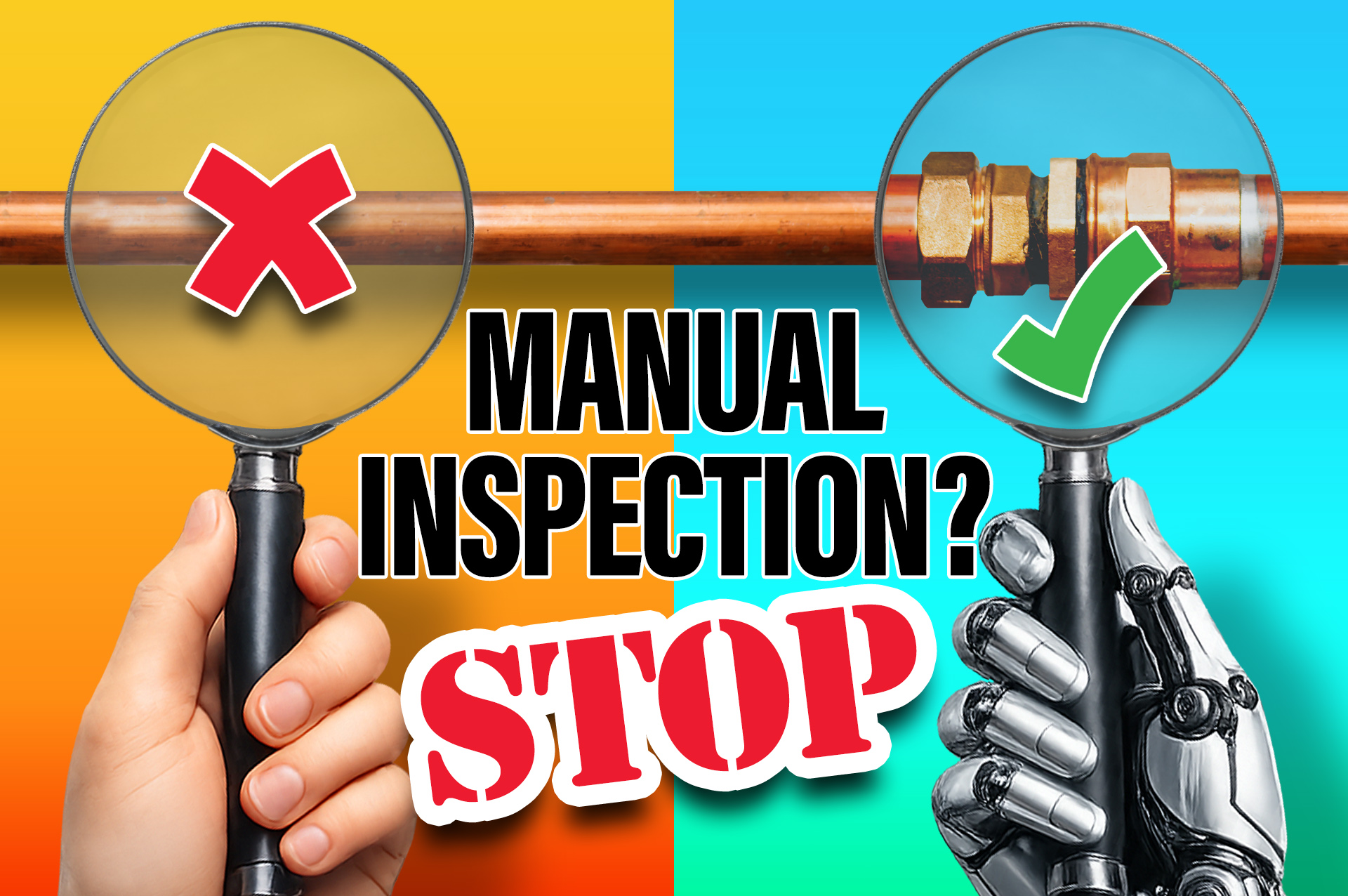
At Embedded World 2026, the demo focused on pipeline inspection. The robot uses two parallel cameras and two models running directly on the edge. The first model identifies critical pipe joints, while the second performs high-resolution anomaly detection, flagging issues such as corrosion, leaks, or structural damage in real time.
The key difference here is that everything runs locally. There is no reliance on cloud connectivity, which removes latency, reduces power consumption, and avoids ongoing data transmission costs. In industrial environments such as oil and gas, this is critical. Robots need to respond instantly to changing conditions, and connectivity is not always guaranteed.
From a system perspective, the robot is powered by Qualcomm hardware and integrates directly with ROS 2, the Robotics Operating System. Edge Impulse enables developers to train models in its platform, then deploy them as optimised inference workloads that run as ROS 2 nodes. This simplifies the workflow from data collection to deployment.
For engineers, the takeaway is practical. Define the use case, collect relevant data, train models using Edge Impulse, and deploy directly onto edge hardware. With integrated ROS 2 support and optimised deployment paths, building autonomous inspection systems becomes significantly more accessible.
Comments are closed.
Comments
No comments yet